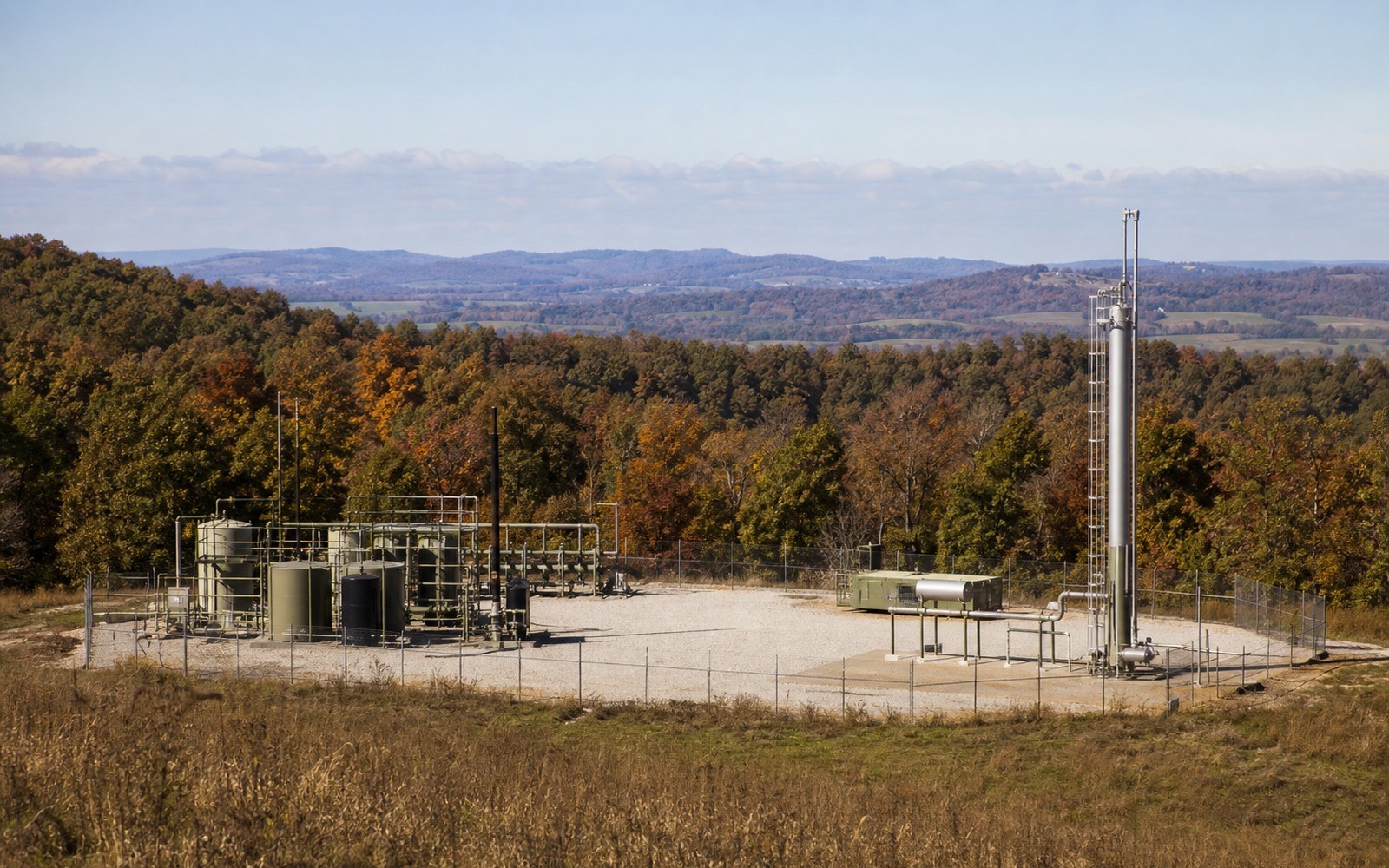
Antrim Shale Mineral Rights
The Antrim Shale produces gas through a biological process, not the deep thermal cooking that made the Permian or Marcellus, and that difference has shaped a quieter, shallower, and now much older play than either of those basins.
Michigan's Antrim Shale, developed heavily through northern Lower Peninsula counties including Otsego, Montmorency, and Antrim County itself starting in the 1980s and accelerating through the 1990s, is a biogenic gas play, meaning the gas formed through microbial activity at shallow depths rather than the deep heat and pressure that generates gas in most other major U.S. shale plays. That geologic difference made Antrim wells relatively inexpensive to drill for their era, driving a substantial land rush decades before shale drilling became a national story through basins like the Barnett and Marcellus.
Because that development happened so long ago, most Antrim wells today are what the industry calls stripper wells, producing very small, steady volumes well past their productive peak, and the mineral market here reflects that maturity directly.
Michigan's regulatory framework for oil and gas, administered through the state's environmental agency, has stayed relatively stable compared to states that have seen major rule changes in recent years, which adds a layer of predictability to valuing legacy Antrim interests that some other mature basins lack.
Michigan's northern Lower Peninsula counties also carry a long tradition of family-owned mineral interests tied to original farm and timber land, separate from any oil and gas activity, which is part of why so many current owners are several generations removed from whoever first signed a lease.
A Genuinely Different Kind of Gas Play
Because Antrim gas formed biogenically at relatively shallow depths, these wells never had the high-pressure, high-initial-rate profile of a deep shale play, and they didn't decline the same steep way either. Many Antrim wells have produced small, relatively stable volumes for two or three decades, which is a very different production personality than the fast-rising, fast-declining wells common in newer unconventional plays.
We price Antrim interests around this specific behavior, treating a long, low, stable history as a reasonably reliable guide to near-term future production, since that's genuinely how this play has behaved for most operators over its multi-decade history.
Stripper Well Economics and Realistic Value
With individual Antrim wells producing modest volumes, the total value of any single well interest tends to be smaller in absolute terms than an owner might expect compared to headlines about other, newer plays. That doesn't mean these interests lack value, particularly in aggregate for owners with interests across multiple wells or sections, but we're upfront that this is a mature, small-volume basin and price accordingly rather than inflating expectations.
Consolidated, Smaller Operators
Antrim Shale operations today are largely held by smaller regional operators rather than the majors or large independents that originally developed the play in the 1980s and 1990s, as larger companies exited mature, low-volume Michigan assets over the years. We confirm current operator of record before quoting, since ownership here has changed hands multiple times since original development.
Closing on a Michigan Tract
We pull current production data, confirm operator, and price based on the long, low, stable production pattern typical of this basin. Closing typically runs three to four weeks, and we're comfortable buying small individual well interests as well as broader multi-section family holdings accumulated during the original 1980s and 1990s Antrim land rush.
Questions From the Acquisition File
Plain answers on title, production, pricing, and timing, so the purchase terms hold no surprises.
Why is Antrim Shale gas different from gas produced in newer shale plays?
It formed through microbial biogenic processes at shallow depths rather than deep thermal heat and pressure, giving these wells a lower, steadier production profile than deep shale gas wells.
My checks are small but haven't dropped much in years. Is that normal?
Yes, that's typical Antrim Shale behavior. These stripper wells settle into a long, low, stable production tail rather than the steep decline seen in newer unconventional plays.
Is my Antrim interest worth selling if the checks are already small?
Often yes, especially when you factor in the value of not having to manage a small recurring royalty and associated tax reporting indefinitely. We're upfront about the smaller absolute value of this basin's interests when we quote.
Who operates Antrim Shale wells today?
Mostly smaller regional operators, since many larger companies exited these mature, low-volume Michigan assets over the years as they focused capital on higher-growth basins.
How long does closing take on a Michigan tract?
Typically three to four weeks, whether for a single well interest or a broader family holding across multiple sections.
Are there any newer plays being tested near the Antrim Shale?
Michigan has seen limited new unconventional exploration compared to other states, and we don't build speculative new-play value into Antrim offers given the basin's long, quiet history since its original development.
What documents do I need to start the process?
A recent royalty statement or division order is the most useful starting point. If you only have an old deed or a family memory of the interest, we can help trace the current ownership record from there.
Keep reading before you sign
Smackover Formation Mineral Rights
Smackover minerals in Arkansas or Louisiana with legacy oil, brine, or new lithium interest nearby? Direct buyer tracking the formation's resurgence, no lowball flip.
Tuscaloosa Marine Shale Mineral Rights
Tuscaloosa Marine Shale minerals in Louisiana or Mississippi from the failed 2010s play? Direct salvage buyer, honest pricing, no speculative flip games.
Black Warrior Basin Mineral Rights
Black Warrior Basin coalbed methane minerals in Tuscaloosa or Jefferson County, Alabama? Direct buyer on this mature 1980s-era CBM basin, honest decline pricing.
Want this issue reviewed against your mineral-interest file?
Send the county and state, owner name, producing status, and the records you already have.