Permian Basin Mineral Rights
The Permian is the most competitive mineral market in the country, which is exactly why so many of the offers landing in Permian mailboxes never come from the buyer whose name is on the letter.
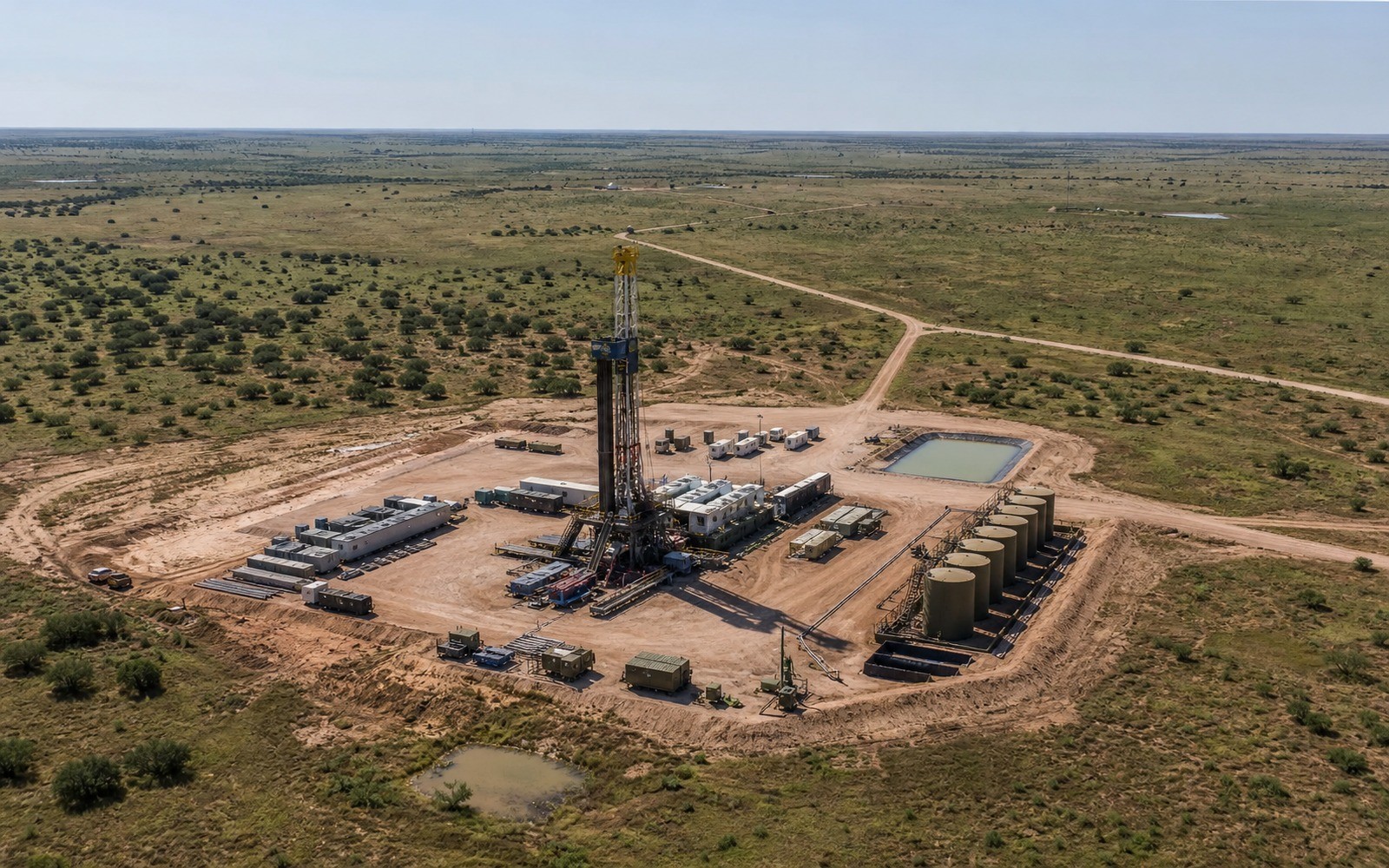
West Texas and southeast New Mexico produce more oil than most OPEC members, and the Permian's stacked pay in the Spraberry, Wolfcamp, and Bone Spring intervals means a single section can carry three or four operators developing different zones at different depths. That density is why the basin draws more capital chasing minerals than any other U.S. play, and why sellers here get flooded with mail from companies that have never closed a deal in the county listed on the letter.
Most of those letters come from contract marketing shops or small flip funds working on assignable purchase agreements. They tie up a tract at a soft number, shop it to a real buyer for a markup, and only close if someone else's capital shows up first. In a basin this active, that reassignment layer is standard practice, not the exception.
Why Permian Deals Get Reassigned Before They Close
A Permian offer letter usually promises a fast close and a specific per-acre number pegged to whatever a comp sold for last quarter. The catch is in the fine print: most of these contracts include an assignment clause that lets the buyer transfer the purchase agreement to a third party without your sign-off. You negotiate with one name and close with another, and the number you agreed to can shrink once the real capital source runs its own decline curve on the wells nearby.
Reeves, Loving, Culberson, Ward, and Midland Counties see the heaviest volume of this activity because Wolfcamp and Bone Spring development there is dense enough to make almost any tract flippable. Martin and Howard Counties, sitting on the Midland side, carry the same pattern with Spraberry-focused paper.
How to Tell a Principal From a Broker
A real buyer will tell you plainly whether they're closing with their own funds or lining up capital after signing. Ask directly: is this offer assignable, and will you confirm in writing that you're the closing party. A principal buyer can usually name the specific wells or units near your tract that justify the number, because they've already run the type curve. A flipper tends to speak in ranges pulled from a public database rather than county-specific production data.
Title work is the other tell. Direct buyers order a runsheet and landman review before they finalize a number, because they're the ones eating the risk if the title has a defect. Assignable-contract buyers often skip that step until after they've found a taker, which is part of why so many Permian offers evaporate or get renegotiated in the final weeks.
Diligence on a Multi-Zone Tract
Because the Permian stacks several producing intervals under one surface description, your mineral deed and any prior severance need to specify which depths and formations are conveyed. A deed that's silent on depth can create ambiguity between the Wolfcamp operator and whoever eventually drills the Bone Spring or the Third Bone Spring bench above it. We pull the runsheet, check for depth severances, and confirm which unit orders from the Railroad Commission actually cover your tract before we quote a number.
Decline curves matter here more than almost anywhere else, because Permian wells front-load production hard in year one and drop fast after. A royalty check from a well that came online eighteen months ago tells you very little about what that same well pays in year four. We weight recent statements against the well's position on its curve, beyond just the trailing twelve months.
What Closing Looks Like With a Direct Buyer
Once title and depth are confirmed, a direct close in this basin typically runs two to four weeks, limited mostly by county clerk turnaround in the busier offices. You get one signature, one closing statement, and no renegotiation because a second buyer had to be found. If you own a small fractional interest inherited from a larger family tract, we'll also walk through whether a partial sale of a portion of your interest makes more sense than selling the whole thing outright.
Questions From the Acquisition File
Plain answers on title, production, pricing, and timing, so the purchase terms hold no surprises.
Why do Permian offers keep changing the number right before closing?
Usually because the original offer came from an assignable contract and the buyer had to shop it. A direct buyer's number is set after title and decline-curve review, so it shouldn't move once we've quoted it.
Does it matter which formation my minerals are under?
Yes. Wolfcamp, Spraberry, and Bone Spring intervals in the same section can have different operators, different unit orders, and different payout timing, and your deed language determines which of those you actually own.
I only own a small fractional interest from a family estate. Is that worth selling?
Often yes, especially if the interest is too small to move the needle on your royalty income but complicates every estate or tax filing. We evaluate fractional interests the same way we evaluate full tracts.
How fast can a direct buyer actually close in Reeves or Midland County?
Typically two to four weeks once we have a clean runsheet, mostly gated by how quickly the county clerk's office can record the conveyance.
Should I get a second opinion before selling?
Talk to your CPA about the tax treatment of a mineral sale before you close, particularly if the interest has appreciated significantly since it was inherited.
Keep reading before you sign
Midland Basin Mineral Rights
Midland Basin Spraberry-Wolfcamp minerals in Midland, Martin, Howard, or Glasscock County? Direct buyer, no assignable-contract markup, clear closing timeline.
Delaware Basin Mineral Rights
Delaware Basin minerals in Reeves, Loving, Culberson, Ward, Eddy, or Lea County? We buy direct on multi-bench Wolfcamp and Bone Spring tracts, no reassignment.
Eagle Ford Shale Mineral Rights
Eagle Ford minerals in Karnes, DeWitt, La Salle, or Gonzales County held-by-production for a decade or more? Direct buyer, real decline-curve pricing, no flip chain.
Want this issue reviewed against your mineral-interest file?
Send the county and state, owner name, producing status, and the records you already have.