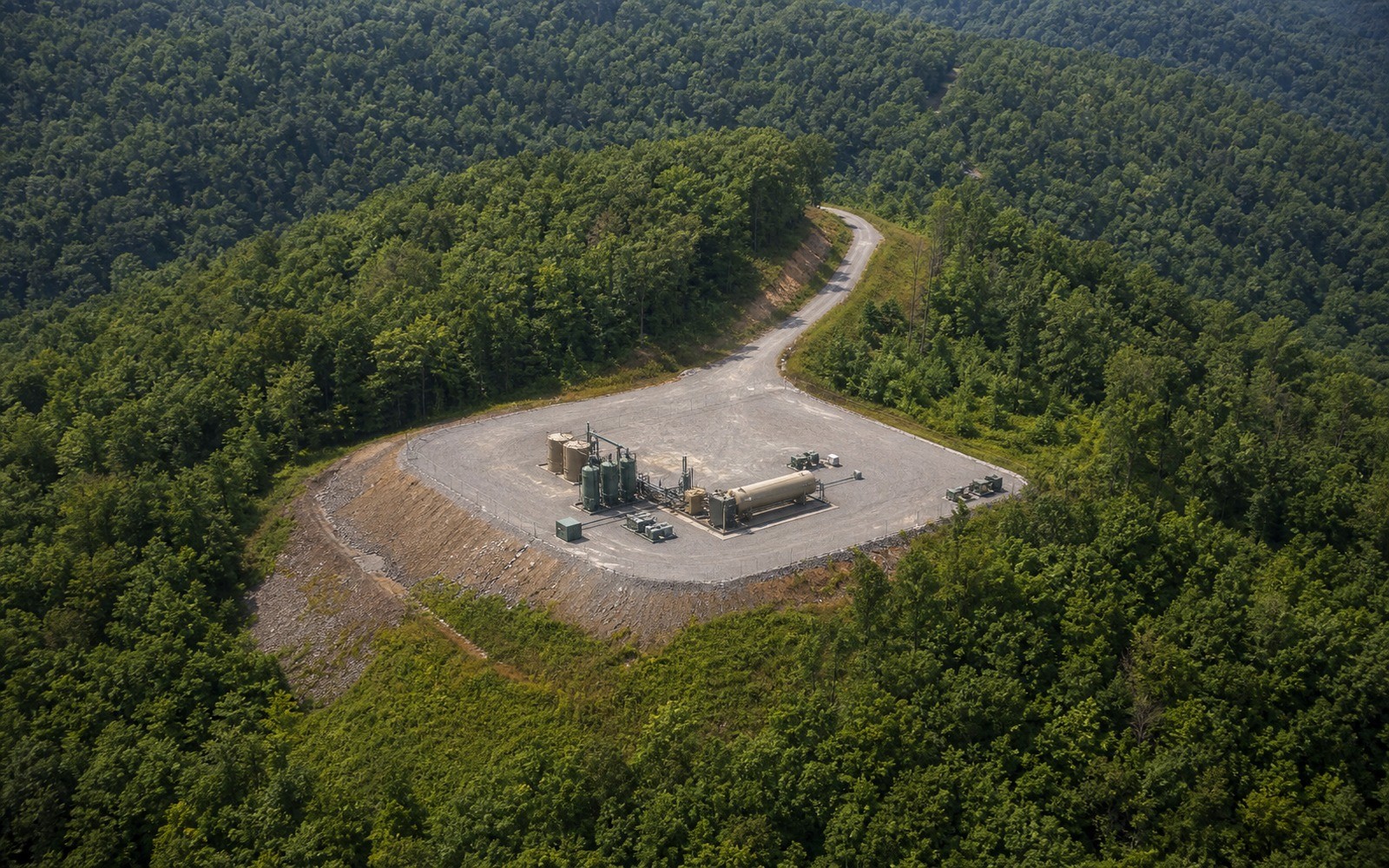
Utica Shale Mineral Rights
Whether your Utica tract sits in the wet-gas window or the dry-gas window changes the valuation math more than almost any other single factor, and a lot of offer letters skip that question entirely.
Ohio's Utica Shale runs deeper than the overlying Marcellus and has developed into two distinct commercial zones: a wet-gas and condensate window through Belmont, Monroe, Noble, and Guernsey Counties that produces valuable natural gas liquids alongside gas, and a drier gas window further north and west through Carroll and Harrison Counties. Ascent Resources, Encino Energy, EQT, and Gulfport Energy have been the primary operators developing the play since it took off around 2012.
For mineral owners, that wet-versus-dry distinction is the first thing worth understanding, because wet-gas tracts have historically commanded meaningfully higher value due to the added revenue from natural gas liquids like ethane and propane sold alongside the gas itself.
We also see families with interests spanning both the wet-gas and dry-gas windows through land accumulated across multiple Ohio counties over generations, sometimes without a clear understanding of which portion falls into which window. Sorting that out accurately is one of the more valuable things we do during diligence on a multi-county Utica holding.
Noble County, between the wet-gas core and the drier northern counties, sometimes shows blended characteristics, and we check actual reported liquids data for wells near your specific tract there rather than assuming it falls cleanly into either window.
Wet Gas vs Dry Gas: Why Location Within the Play Matters
A tract in the Belmont or Monroe County wet-gas window can generate substantially more revenue per well than a comparable dry-gas tract further west, because NGLs typically sell at a premium tied to oil pricing rather than gas pricing alone. When we evaluate a Utica tract, confirming which window it falls in, and pulling actual liquids yield data where available, comes before any decline-curve math.
Carroll County, where the Utica play first proved commercial, sits closer to the dry-gas side and has a longer production history to draw on, which actually makes valuation more straightforward there even though the per-well economics run lower than the wet-gas counties to the southeast.
Ohio's Mandatory Pooling Rules
Ohio allows mandatory pooling under certain conditions, meaning an operator can sometimes include a nonconsenting mineral owner's tract in a drilling unit without a signed lease, subject to state-set compensation terms. This is a meaningful difference from states requiring voluntary leasing, and it affects how we approach valuation for owners who haven't formally leased but whose tract sits inside an active or proposed unit.
We check Ohio Department of Natural Resources unit and permit filings for your specific tract before quoting, since pooling orders and unit boundaries here can shift as operators consolidate acreage positions.
A Younger Play With Less Flip Activity, So Far
The Utica hasn't attracted the same volume of assignable-contract flipping seen in the Permian or Haynesville, partly because the wet-gas versus dry-gas valuation complexity discourages generic mass-mailed offers. That said, the activity that does exist tends to lowball owners who don't know to ask about their well's liquids yield, since a flat per-acre number applied across the whole play ignores the real spread in value between windows.
Closing on an Ohio Tract
We confirm your window position, pull recent production and liquids data where reported, verify pooling status if your tract hasn't been formally leased, and quote based on that full picture. Closing typically runs three to four weeks, with Ohio county recorder offices generally processing conveyances on a comparable timeline to Texas.
Questions From the Acquisition File
Plain answers on title, production, pricing, and timing, so the purchase terms hold no surprises.
How do I know if my minerals are in the wet-gas or dry-gas window?
We check your county and, where available, actual liquids yield data reported for wells on your unit. Belmont, Monroe, and Guernsey Counties are generally wetter; Carroll and Harrison skew drier.
What is mandatory pooling and does it apply to me?
Ohio allows operators to include nonconsenting owners in a drilling unit under certain conditions with state-set compensation. We check whether your tract falls under a pooling order as part of diligence.
I never signed a lease. Can my minerals still be producing?
Yes, if your tract falls under an Ohio mandatory pooling order, it's possible to have an interest in production without ever having signed a voluntary lease.
Why do wet-gas tracts sell for more than dry-gas tracts?
Wet-gas wells produce natural gas liquids like ethane and propane alongside gas, and those liquids typically sell at prices tied to oil, adding meaningful revenue per well compared to dry gas alone.
How long does an Ohio closing take?
Typically three to four weeks, comparable to a straightforward Texas county timeline.
How has Ohio's Utica activity changed since the play's early 2010s start?
Development has matured and consolidated among fewer, larger operators compared to the initial land rush, with drilling now concentrated in the counties that have proven the strongest economics.
Can you evaluate interests spanning both wet and dry gas windows together?
Yes, we price each portion according to its specific window and production data, then combine the evaluation into a single offer if you'd prefer one transaction.
Keep reading before you sign
Niobrara Mineral Rights
Own minerals in the Niobrara formation across the DJ Basin, Powder River Basin, or Wyoming? Direct buyer who prices by basin, not one blended formation average.
DJ Basin Mineral Rights
DJ Basin minerals in Weld County, Colorado or the Wyoming/Nebraska panhandle? Direct buyer who tracks setback regulation and permitting reality, no flip markup.
Powder River Basin Mineral Rights
Powder River Basin minerals in Campbell, Converse, or Sheridan County, Wyoming or Montana? Direct buyer who separates old CBM legacy from newer stacked-oil activity.
Want this issue reviewed against your mineral-interest file?
Send the county and state, owner name, producing status, and the records you already have.